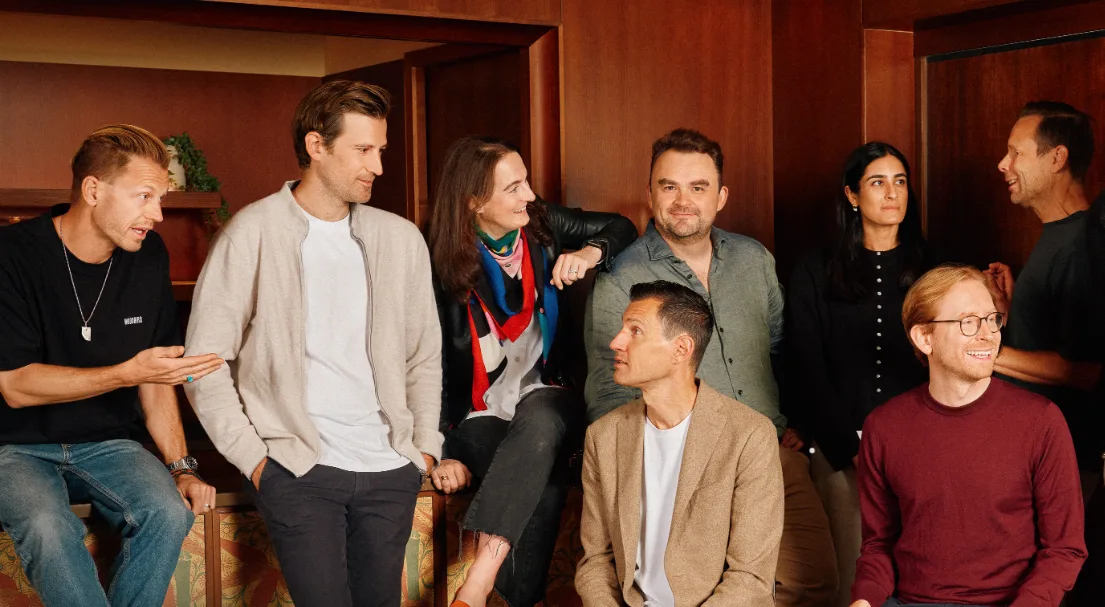
Paris-based defence technology startup Gallium Defense has raised €7.1 million in a seed round led by Keen Venture Partners and 360 Capital, with participation from Omnes Capital, Polytechnique Ventures and strategic partners, as Vestbee was ifnormed.
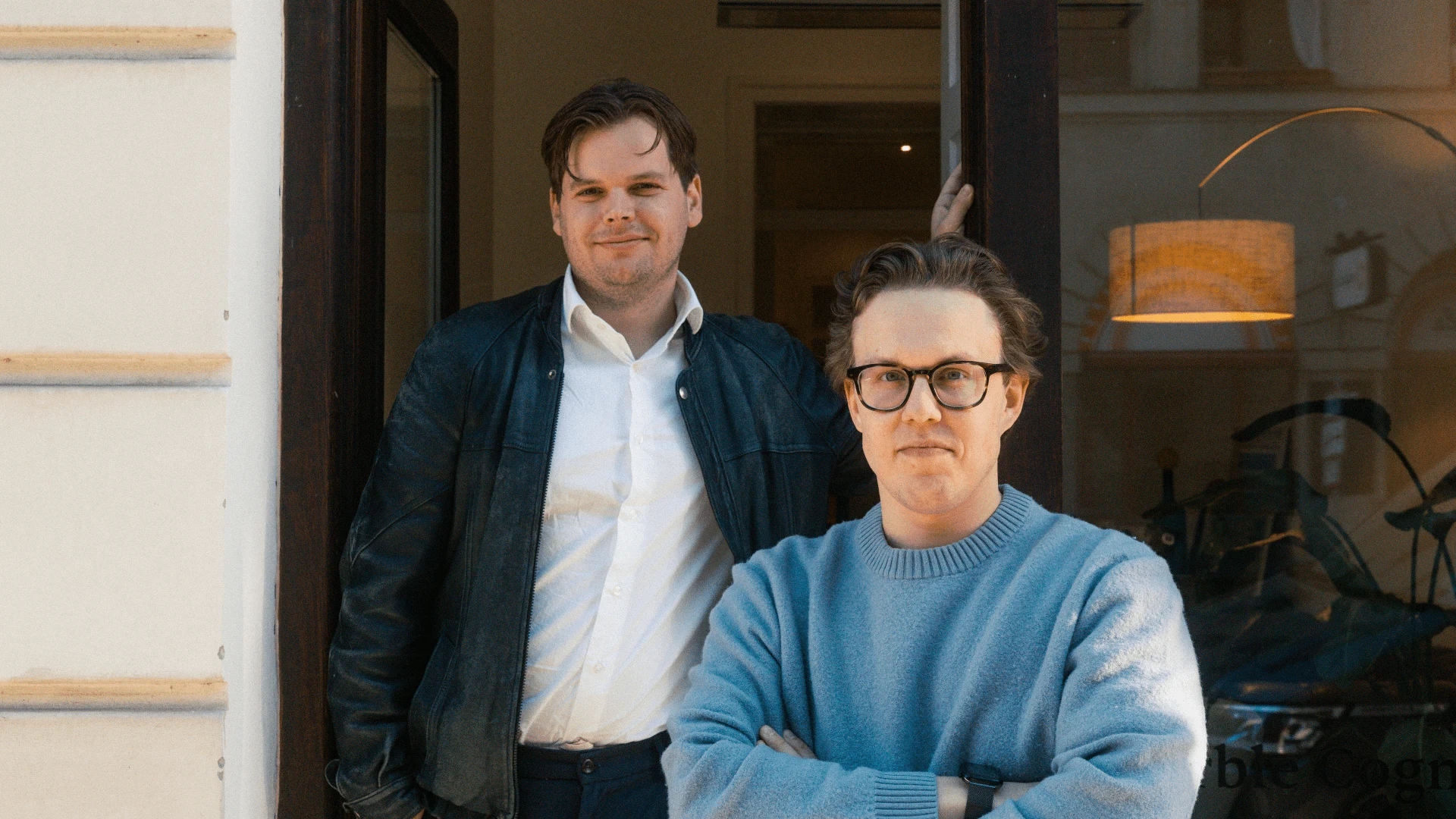
- Founded in April 2026 by Eric Fournier, Florian Lemoine and Robin Mandel, Gallium Defense develops radar systems designed to detect drones and protect critical infrastructure and military assets. The company is emerging from stealth as it prepares to bring its first product, the GDS-10, to market.
- The GDS-10 is an X-band active electronically scanned array (AESA) radar with a software-defined architecture designed to support AI integration. It is being developed in two versions, one for critical infrastructure operators and another for armed forces.
- The system is designed to detect small drones, including first-person-view (FPV) drones, at distances of up to 10 kilometres. It provides 360-degree azimuth coverage and 90-degree elevation coverage, can track multiple targets simultaneously, including drone swarms, and is designed to operate in different weather conditions. Its software architecture also allows capabilities to be updated as threats evolve.
Details of the deal
- Gallium Defense aims to make drone detection more affordable and easier to deploy at scale. The company plans to use commercially available components and scalable manufacturing processes to reduce costs compared with existing radar systems, while ensuring compatibility with existing defence systems.
“Great defence starts with superior visibility. Gallium Defense has the team, the industrial partners and the cost model to make drone detection a standard layer at every critical site - the kind of European capability our fund is proud to back,” claims Alexander Ribbink, General Partner at Keen Venture Partners.
- The startup has begun outdoor field trials of the GDS-10 and plans to hold monthly demonstrations for civilian and military operators. Orders are expected to open in the first quarter of 2027.